Korean Bibimbap
Highlighted under: Traditionele ideeën
Korean Bibimbap is a vibrant and nutritious dish that combines rice with a variety of colorful vegetables, protein, and a spicy gochujang sauce.
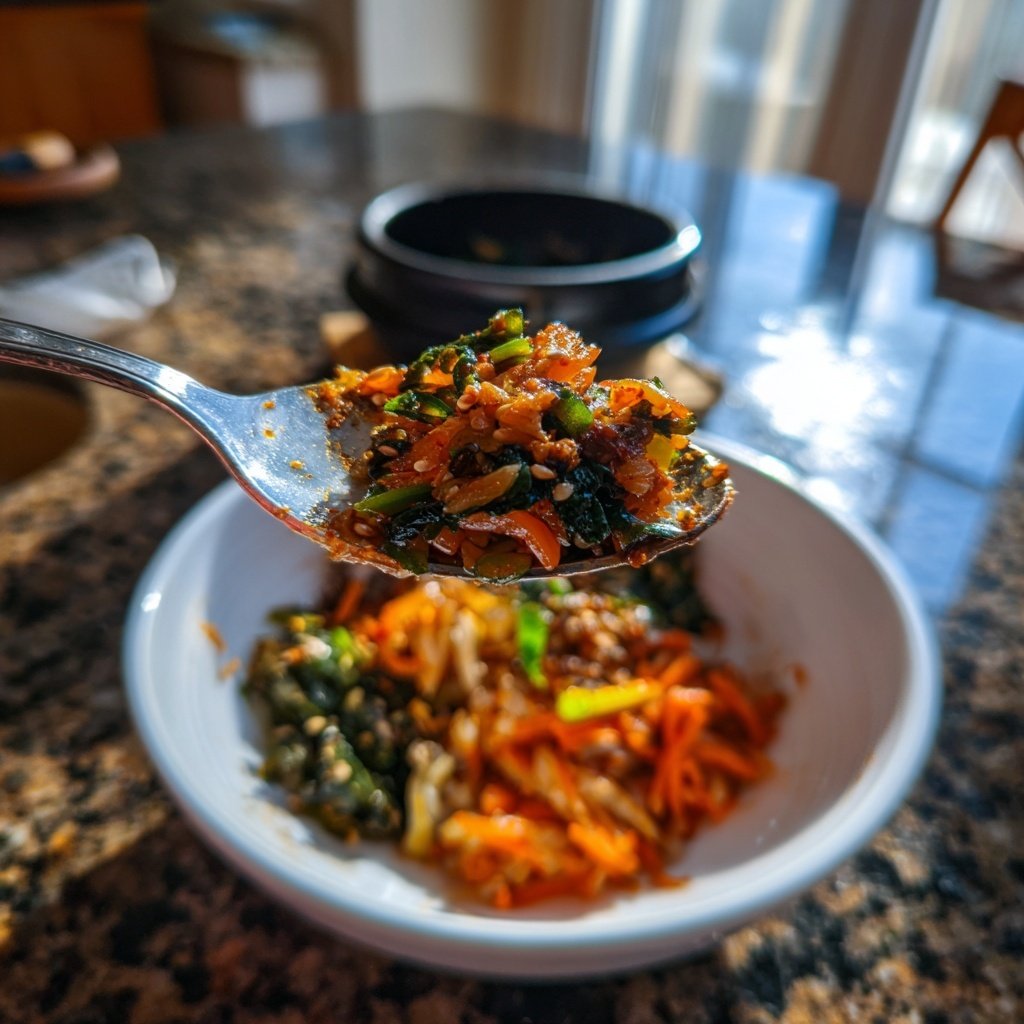
Korean Bibimbap is more than just a meal; it's an experience. The colorful array of vegetables and the rich flavors of the gochujang sauce come together to create a dish that is both satisfying and visually stunning.
Why You'll Love This Recipe
- A colorful medley of fresh vegetables.
- Customizable with your choice of protein.
- Deliciously spicy and savory flavor combination.
The Essence of Bibimbap
Bibimbap, which translates to 'mixed rice,' is a traditional Korean dish that showcases the beauty of harmony in flavors and textures. This dish is not only visually appealing but also packed with nutrients, making it a wholesome meal option. The combination of fresh vegetables, protein, and rice creates a balanced plate that can cater to various dietary needs.
At its core, bibimbap is about customization. You can choose your favorite vegetables, switch up the proteins, or even adjust the spice levels to suit your palate. Whether you prefer beef, tofu, or even seafood, this dish allows for endless variations, ensuring that every meal can be a unique culinary experience.
The vibrant colors of bibimbap come from the assortment of vegetables used, each contributing its distinct flavor and health benefits. For example, spinach is rich in iron, while carrots provide a good dose of beta-carotene. This dish encourages a diverse intake of nutrients, making it a fantastic choice for anyone looking to eat healthily.
Perfecting Your Bibimbap
To achieve the best results with your bibimbap, the key is to ensure each component is cooked to perfection. The vegetables should be tender yet crisp, retaining their natural flavors and colors. Sautéing them in sesame oil enhances their taste while adding a nutty aroma that complements the dish beautifully.
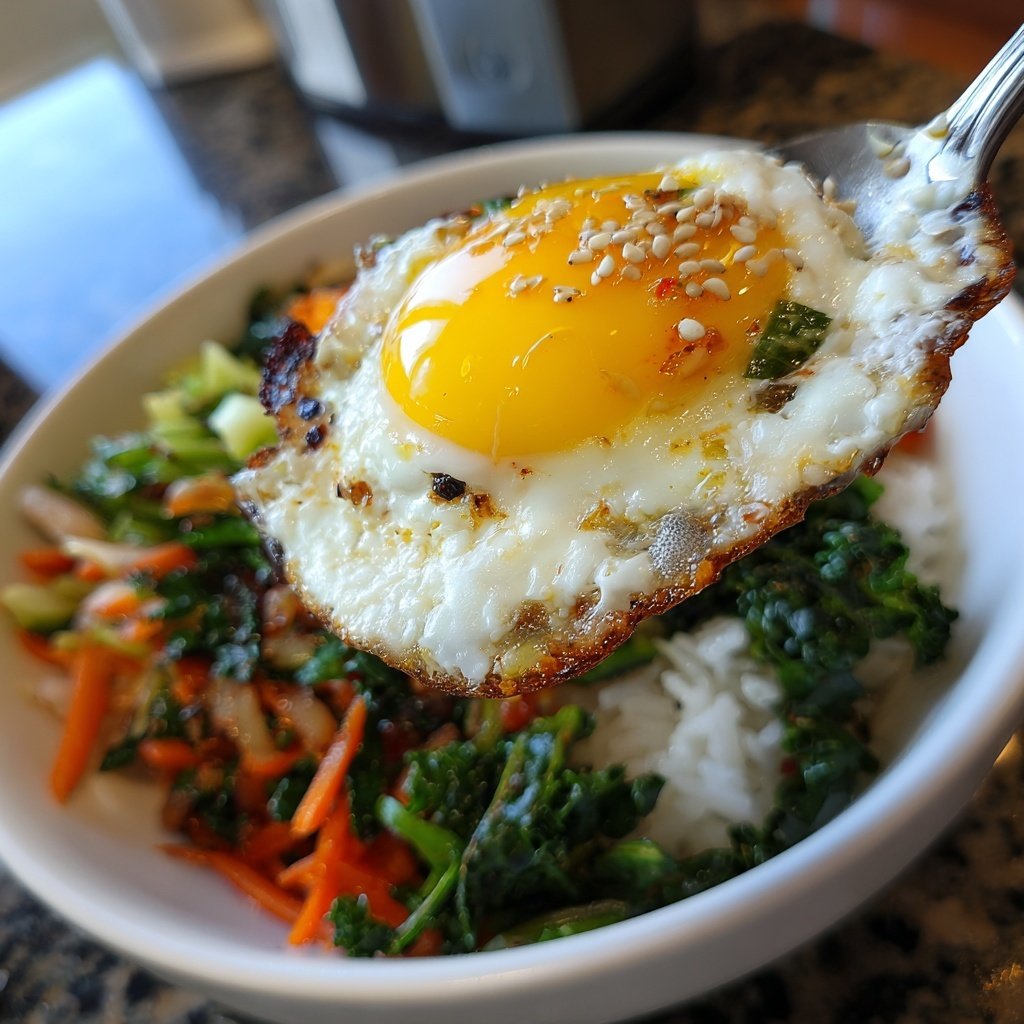
When it comes to the eggs, frying them sunny-side up is traditional, but you can also experiment with scrambled eggs or even a poached egg for a different texture. The runny yolk adds a rich creaminess that ties all the elements together, making every bite incredibly satisfying.
Don’t forget the gochujang! This spicy Korean chili paste is the heart of bibimbap, delivering a kick of heat that balances the dish's flavors. Adjust the amount to match your spice tolerance; a little goes a long way in elevating your bibimbap, giving it that signature Korean flair.
Ingredients
Bibimbap Ingredients
- 2 cups cooked white rice
- 1 cup spinach, blanched
- 1 cup carrots, julienned
- 1 cup zucchini, julienned
- 1 cup bean sprouts, blanched
- 4 eggs
- 1 cup sliced mushrooms
- 1 cup cooked beef (or tofu for vegetarian option)
- 2 tablespoons sesame oil
- 3 tablespoons gochujang (Korean chili paste)
- 1 tablespoon soy sauce
- Sesame seeds for garnish
Mix and match your favorite vegetables to personalize your bibimbap!
Instructions
Prepare the Rice
Cook the white rice according to package instructions and set aside.
Cook the Vegetables
In a pan, heat sesame oil over medium heat. Sauté the zucchini, carrots, and mushrooms until tender. Season with soy sauce.
Cook the Eggs
In another pan, fry the eggs sunny-side up until the whites are set but the yolks are still runny.
Assemble the Bibimbap
In a bowl, place a serving of rice and top with the sautéed vegetables, spinach, bean sprouts, and protein of choice. Place a fried egg on top and drizzle with gochujang. Garnish with sesame seeds.
Mix the ingredients together before eating for the best flavor!
Pro Tips
- Feel free to customize your bibimbap with seasonal vegetables or different proteins for variety.
Serving Suggestions
Bibimbap is traditionally served in a stone bowl, known as dolsot, which keeps the rice warm and allows the bottom layer to develop a delightful crispy crust. If you don’t have a stone bowl, any heatproof bowl will do—just be sure to serve it immediately for the best experience.
Pair your bibimbap with a side of kimchi or pickled vegetables for a refreshing contrast. These sides not only add an extra layer of flavor but also enhance the nutritional profile of your meal. The tangy, spicy elements of kimchi complement the richness of the bibimbap beautifully.
Tips for Meal Prep
Bibimbap is a fantastic dish for meal prepping. You can prepare the vegetables and proteins ahead of time and store them in the refrigerator. Just reheat the components when you're ready to assemble your meal. This makes it easy to enjoy a healthy, home-cooked dish even on the busiest of days.
Consider making a big batch of rice at the beginning of the week. Cooked rice can be stored in the fridge for up to a week, making it simple to whip up a quick bibimbap whenever hunger strikes. Just sauté your veggies and protein, and you’ll have a delicious meal in no time!
Questions About Recipes
→ Can I make Bibimbap vegetarian?
Yes, simply replace the meat with tofu or additional vegetables.
→ What can I use instead of gochujang?
You can use another chili paste or a mixture of red pepper flakes and miso for a similar flavor.
→ How can I store leftovers?
Store leftovers in an airtight container in the fridge for up to 3 days. Reheat before serving.
→ Can I freeze Bibimbap?
While it's best fresh, you can freeze the rice and cooked vegetables separately. Reheat before assembling.
Korean Bibimbap
Created by: Kendra Lawson
Recipe Type: Traditionele ideeën
Skill Level: Intermediate
Final Quantity: Serves 4
What You'll Need
Bibimbap Ingredients
- 2 cups cooked white rice
- 1 cup spinach, blanched
- 1 cup carrots, julienned
- 1 cup zucchini, julienned
- 1 cup bean sprouts, blanched
- 4 eggs
- 1 cup sliced mushrooms
- 1 cup cooked beef (or tofu for vegetarian option)
- 2 tablespoons sesame oil
- 3 tablespoons gochujang (Korean chili paste)
- 1 tablespoon soy sauce
- Sesame seeds for garnish
How-To Steps
Cook the white rice according to package instructions and set aside.
In a pan, heat sesame oil over medium heat. Sauté the zucchini, carrots, and mushrooms until tender. Season with soy sauce.
In another pan, fry the eggs sunny-side up until the whites are set but the yolks are still runny.
In a bowl, place a serving of rice and top with the sautéed vegetables, spinach, bean sprouts, and protein of choice. Place a fried egg on top and drizzle with gochujang. Garnish with sesame seeds.
Extra Tips
- Feel free to customize your bibimbap with seasonal vegetables or different proteins for variety.
Nutritional Breakdown (Per Serving)
- Calories: 500 kcal
- Total Fat: 20g
- Saturated Fat: 4g
- Cholesterol: 186mg
- Sodium: 600mg
- Total Carbohydrates: 68g
- Dietary Fiber: 4g
- Sugars: 3g
- Protein: 16g